
The Importance of Cut in Engagement Ring Brilliance
Two diamonds can share similar grades and still look noticeably different in person. A diamond’s cut affects its brilliance by influencing how the stone reflects and returns light. You may notice this most when the diamond moves, since changing angles can reveal flashes of brightness. That makes cut an important factor when choosing a captivating engagement ring.
What Diamond Cut Really Means
Diamond cut describes how well a diamond’s proportions, facets, and finishing work together to manage light. It doesn’t simply refer to the outline you see when looking at the stone from above. Instead, the angles and relationships between different parts of the diamond influence how light enters, travels through, and exits the stone.
When a diamond is cut well, more light returns through the top of the stone, creating a bright, lively appearance. Less effective proportions may allow some of that light to escape through the sides or bottom. As a result, two diamonds with similar carat weight, color, and clarity can still look noticeably different.
Cut Versus Diamond Shape
Cut and shape are related terms, but they describe different diamond characteristics. Shape refers to the stone’s overall outline, such as round, oval, pear, cushion, or emerald. Cut quality, on the other hand, refers to how effectively the diamond has been fashioned within that shape. Two diamonds can share the same outline yet show very different levels of brightness and sparkle because their proportions and facet arrangements differ.
How Light Moves Through Diamonds
Diamond sparkle comes from several visual effects that work together. Bright white light returning from the stone contributes to brilliance, while flashes of spectral color are known as fire. Scintillation refers to the light-and-dark flashes you see as the diamond, the light source, or your viewing angle changes. Together, these effects give each diamond its individual character.
How a Diamond’s Cut Is Created

A diamond’s cut isn’t naturally present when the stone comes out of the earth; it’s created as a skilled cutter shapes and polishes the rough diamond. For an engagement ring, cut matters because it determines the stone’s proportions and facet arrangement. The finished structure strongly affects the diamond’s brilliance and overall light performance.
Planning the Diamond’s Proportions
Before cutting begins, the cutter carefully studies the rough diamond to determine how to shape it while preserving desirable size and quality. The cutter plans measurements such as the stone’s depth, table size, and overall proportions. These decisions also determine the final shape, whether the diamond will become round, oval, pear, cushion, or another style. Careful planning creates the foundation for the facet pattern and appearance of the finished stone.
Cutting and Polishing the Facets
Once the design is planned, the cutter gradually shapes the rough diamond and creates individual facets in precise positions. Each facet must be cut at carefully considered angles so it works with the surrounding surfaces. The facets are then polished to create smooth, reflective surfaces and refine the diamond’s finish. Precision during these stages influences how effectively light travels through the completed diamond.
Does Cut Matter for Every Shape?
Cut affects the appearance of every diamond shape, but it isn’t evaluated in the same way across all of them. Round brilliant diamonds have highly standardized facet patterns and established grading criteria, which makes their cut grades especially useful. Fancy shapes can require more visual comparison because their proportions and facet structures vary more widely.
Personal preference also plays a larger role with many fancy-shaped diamonds. For example, one person may prefer a long, slender oval, while another likes a broader outline with a fuller appearance. Rather than relying on a single measurement, it’s usually more useful to consider shape, proportions, and light performance together.
Balancing Cut With the Other 4Cs
The 4Cs are the standard characteristics used to describe and compare diamond quality. Each one highlights a different part of the stone’s appearance and overall characteristics. Looking at all four together can give you a more complete sense of what you’re choosing.
The 4Cs cover these key characteristics:
- Cut: How well the diamond’s proportions and facets interact with light.
- Color: How colorless or noticeably tinted the diamond appears.
- Clarity: The presence of internal inclusions or surface blemishes.
- Carat weight: The diamond’s weight, which often affects its overall size.
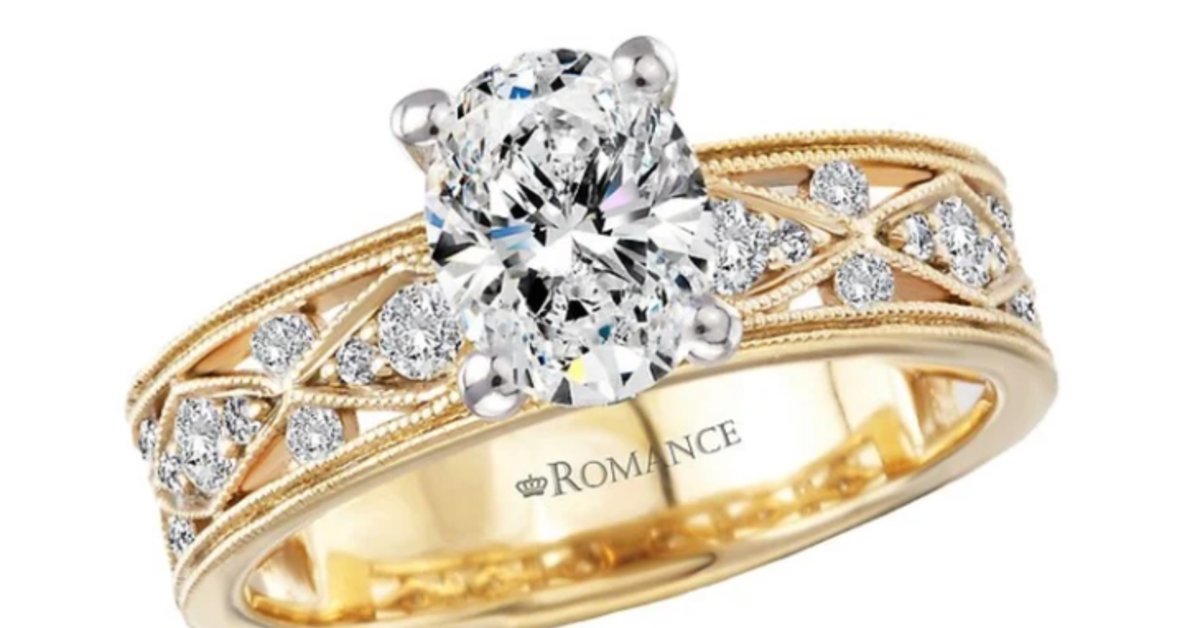
When comparing luxury diamond engagement rings, think about which of these qualities matter most to you. You may prefer stronger brilliance and choose to prioritize cut while being more flexible with color, clarity, or carat weight.
What Determines a Diamond Cut Grade

A diamond’s cut grade reflects more than one feature or measurement. For standard round brilliant diamonds in the D-to-Z color range, the Gemological Institute of America (GIA) evaluates both visual performance and craftsmanship. D is the highest grade and means the diamond is essentially colorless. As the scale moves toward Z, diamonds show increasing amounts of yellow or brown tint.
GIA assigns one of five overall cut grades:
- Excellent represents the highest level of overall cut quality.
- Very Good indicates strong cut quality with minor differences from the top grade.
- Good reflects acceptable cut quality, though light performance may be less refined.
- Fair signals more noticeable limitations in proportions or overall performance.
- Poor represents the lowest cut grade, with greater compromises in light performance or craftsmanship.
Evaluating Light Performance
Part of the evaluation focuses on brightness, fire, and scintillation. Brightness refers to the white light reflected from the diamond, while fire describes flashes of spectral color. Scintillation is the pattern of light and dark areas, along with the flashes you see as the diamond or viewing angle changes. These appearance-based factors show how effectively the cut creates the light effects associated with a lively diamond.
Evaluating Design and Craftsmanship
GIA also looks at how carefully the diamond was proportioned and finished during cutting. These details can affect both the stone’s durability and the precision of its final appearance.
GIA considers design and craftsmanship by:
- evaluating weight ratio to determine whether the diamond’s weight is appropriate for its face-up diameter
- assessing durability to determine whether the proportions could make the stone more vulnerable to damage
- examining polish to judge the smoothness and quality of the finished facet surfaces
- reviewing symmetry to see how precisely the facets align and correspond with one another
Choosing a diamond is partly about understanding quality and partly about recognizing your own preferences. The more closely you compare how different stones look in real light, the easier it becomes to see what feels right for your ring. Small differences in proportion and light performance can create a noticeably different effect. Visit Kennedy’s Jewelers to compare diamonds in person and see which one best suits your style.