
What To Expect When Buying an Engagement Ring
An engagement ring is a reflection of love and intention, so you want to get it just right. You might have a few saved photos, a budget in mind, or no idea where to begin, and all of that is completely normal. When you buy an engagement ring from a trusted jeweler, you can expect thorough guidance. See how the process unfolds from your first conversation to the final selection.
A Thoughtful Consultation
Your first conversation with a jeweler will likely focus on the person who will wear the ring. You may talk about their style, daily routine, favorite metals, and the jewelry they already love. Additionally, your jeweler may ask about your proposal timeline and any ideas you’ve saved along the way.
You don’t need to arrive with every detail figured out. A few photos, notes, or examples can help your jeweler understand what catches your eye.
Style Clues Help
Some partners make it clear what style of engagement ring they want, while others leave room for interpretation. Small style clues can make the shopping process feel much easier, especially if you’re reading between the lines. Pay attention to the jewelry your partner wears most, including metal color, stone size, and overall shape. Someone who loves simple pieces may prefer a solitaire or clean three-stone ring, while someone who enjoys detail may appreciate a halo or vintage-inspired setting. These observations give you and your jeweler a helpful starting point.
Clarity Around Your Budget
Budget guidance should feel helpful, not uncomfortable. A clear price range makes it easier for your jeweler to recommend diamonds, settings, and design options that match your plans.
Several details affect the price of an engagement ring, including diamond quality, carat weight, metal choice, setting style, and custom work. A larger diamond may not always be the best choice if cut quality or overall design means more to you. A clear budget helps you decide where you want to place the most value.
Guidance On Stone Quality

When buying an engagement ring, your jeweler will walk you through the characteristics of the stones you’re considering. They’ll explain how different qualities affect a stone's appearance, how it wears over time, and how it fits your overall budget.
Luxury diamond engagement rings combine fine materials, meticulous craftsmanship, and gemstones chosen for their lasting beauty. They’re classically romantic, with sparkle and strength that symbolize how love endures.
Each of these characteristics affects the appearance and value of a diamond:
- Cut influences how well a diamond reflects light, directly affecting its brilliance and sparkle.
- Color measures how colorless a diamond appears, with less color generally indicating higher quality.
- Clarity refers to the presence of internal or surface imperfections.
- Carat weight indicates how much the diamond weighs.
Time To Compare Ring Styles
The ring's style comes from several smaller design choices working together. Instead of focusing on one category, it helps to understand how different elements influence the final appearance.
Diamond Shape
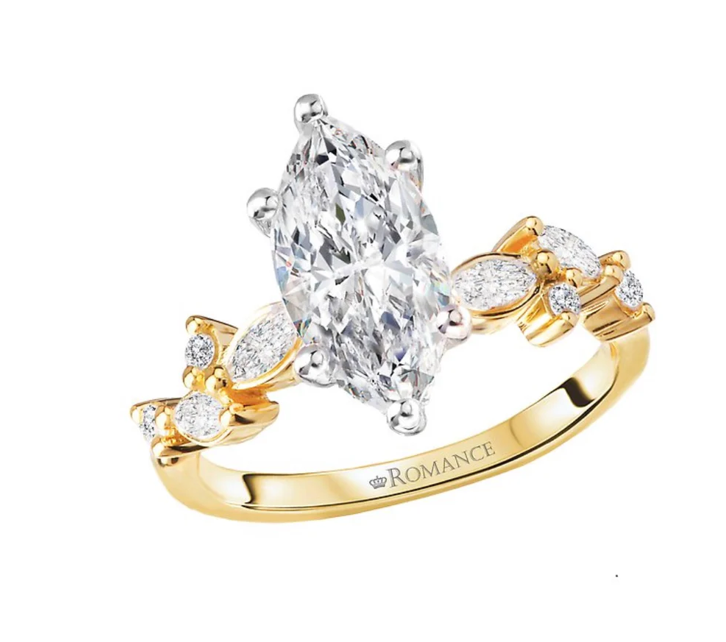
The shape of the center stone plays a major role in how the ring looks. Round diamonds feel classic and balanced, while oval or pear shapes can create a more elongated, modern appearance. Additionally, shapes like emerald or cushion bring their own personality through clean lines or softer edges.
Setting Style
The setting determines how the diamond is held and displayed. A solitaire keeps the focus on the center stone, while a halo adds surrounding sparkle and visual size. Three-stone settings create a more layered look, and bezel settings offer a smoother, more contemporary feel.
Band Design
A thin band may make the center stone appear larger, while a wider band can feel bolder and more substantial. Additionally, details like pavé diamonds, engraving, or a plain polished finish all shift the overall look.
Setting Height
The height of the setting affects both appearance and wearability. A higher setting can make the diamond stand out more, while a lower profile may feel subtler and more practical for everyday wear.
Metal Color
Metal choice influences the tone of the entire ring. White metals create a bright, crisp look, while yellow gold adds warmth and a more traditional feel. Rose gold introduces a softer, romantic tone that can change how the diamond and setting are perceived. Your jeweler can also explain how each metal may wear over time. White gold may need rhodium plating in the future to refresh its bright white finish, while platinum develops a natural patina with wear.
A Fit That Feels Right

Ring size may sound simple, but the right fit depends on more than a number. Band width, finger shape, temperature, and daily activity can all affect how a ring feels on the hand. A professional fitting helps you choose a size that feels comfortable, secure, and realistic for everyday wear.
When You Shop Together
If your partner can come into the store, getting the right size becomes much easier. They can try on different ring sizes and band widths, then notice what feels comfortable on their finger. This also gives your jeweler a chance to see how the ring fits and make thoughtful recommendations before you buy.
When It’s a Surprise
If the proposal is a surprise, your jeweler can still help you make an educated size choice. You may bring in a ring your partner already wears on the correct finger, or ask a close friend or family member for help if they can do so discreetly. If the size isn’t perfect after the proposal, your jeweler can talk you through resizing options and next steps.
Custom Work, As You Like
If finished rings don’t capture what you’re imagining, a custom design gives you room to create something more personal. With bespoke details, you can include a preferred diamond shape, a meaningful hidden accent, a one-of-a-kind setting, or inspiration from a family piece.
The custom process usually begins with a conversation about style, budget, stones, metal, and timeline. Your jeweler may then help refine the concept, so the ring looks and feels perfect. The finished piece can reflect both your partner’s taste and the story behind the proposal.
As you shop for an engagement ring, you can expect your jeweler to provide insights and recommendations. You’ll compare rings based on their style, materials, and stone quality. The right jeweler will also help you connect the practical details to the ring's emotional meaning. With thoughtful guidance and a little preparation, you can choose a piece that’s perfect for the moment you’ve been planning.