
5 Things To Check Before Buying Estate Jewelry
Estate pieces have a way of stopping you in your tracks. Maybe this jewelry is mesmerizing because of its unique details, or maybe it’s simply the idea that someone loved it long before you found it. Buying pre-owned jewelry feels different than buying something brand new, because you’re shopping for both beauty and history. To confirm the piece is fairly priced and in good condition, check these five things before buying estate jewelry.
Inspect Condition Up Close
Estate jewelry should show some character, yet damage shouldn’t hide in the romance of the piece. Scratches, dents, and worn engraving may just reflect age, while cracks, deep chips, or bent structural elements deserve more caution.
The best inspection includes magnification and good lighting. Ask to see the item under a loupe, and take your time with it. Moreover, request clear photos if you’re shopping online, including the shank, clasp, hinges, and any stone edges.
Verify Authenticity Claims
Some pieces get labeled “antique” or “designer” without enough proof. Ask how the seller determined the attribution, and what markers support it. Signature stamps, serial numbers, or maker’s marks can confirm the piece’s origin and when it was created.

Confirm Metal Quality
The metal used in estate jewelry tells you a lot about durability, value, and how the piece will wear over time. Surface color can hint at plating, mixed metals, or older alloys that patina differently. Check edges and high points where plating wears first, especially on rings and bracelets. If the metal feels unusually light for its size, ask whether it’s hollow, plated, or made with a thinner construction.
Karats of Gold
Karats (K) indicate the percentage of pure gold in an alloy, and this concentration affects color, durability, and value. Pure gold is 24K, which feels too soft for many everyday jewelry styles, so jewelers mix gold with other metals to strengthen it. 18K equals 75 percent gold, 14K equals about 58.3 percent gold, and 10K equals about 41.7 percent gold. As the K number drops, you usually get a tougher alloy with a lighter gold color, and you’ll want to weigh that tradeoff based on how you plan to wear the piece.
Yellow Gold
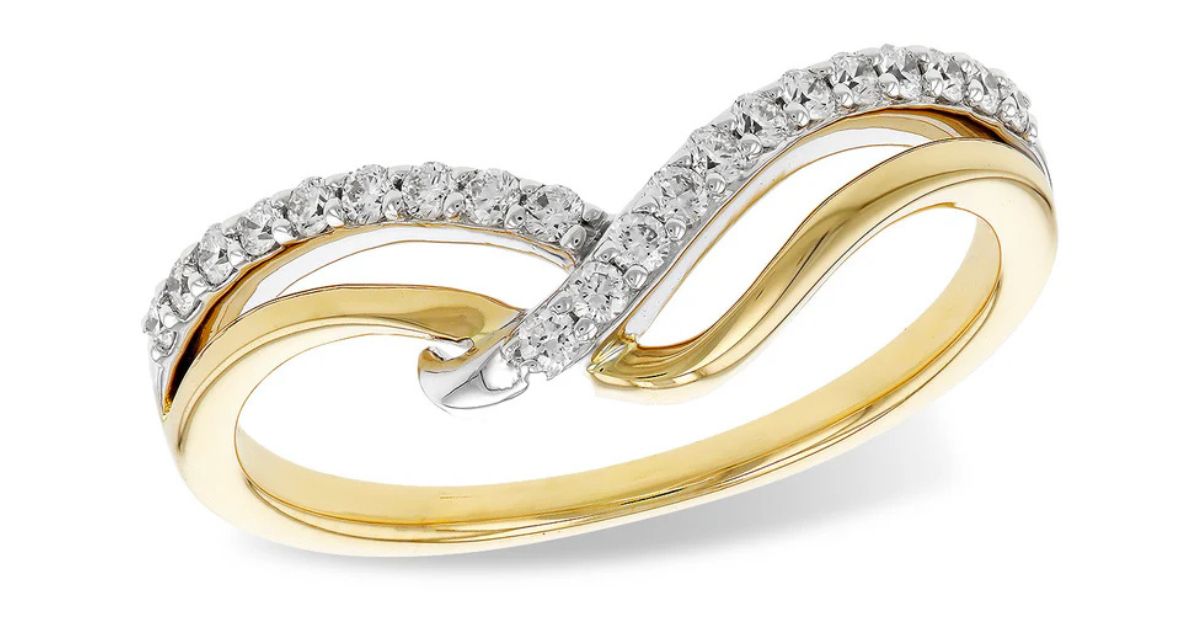
Yellow gold stays a favorite because it feels classic and warm, and it pairs beautifully with vintage details like engraving and filigree. You’ll usually see it in 10K, 14K, or 18K, and higher-purity alloys tend to look richer in color. Check for thinning around the bottom of a ring shank since that area takes the most daily wear.
White Gold
White gold has a bright, silvery look, and many pieces have a rhodium finish that boosts that brightness. Over time, that surface layer can wear down, so the piece may look slightly warmer or more yellow, depending on the alloy. Look closely at edges, prongs, and sizing areas where the rhodium typically fades first.
Rose Gold
Rose gold stands out with a soft pink tone that feels both vintage and modern, depending on the design. Its color comes from copper in the alloy, so it usually looks more “blush” in lower karats and more subtle in higher karats. Pay attention to any spots that look unusually pale or blotchy, as they may indicate plating or repairs.
Platinum
Platinum feels heavier than gold in the hand, and that weight can be a quick clue when you compare similar pieces side by side. It holds up well for everyday wear and develops a gentle patina rather than flaking or peeling. Check prongs and settings for smooth, even wear, as platinum tends to dent or scratch rather than chip away.
Sterling Silver
Sterling silver remains popular in vintage and designer estate pieces, especially for bold statement looks and intricate craftsmanship. It can tarnish with time, so a darker surface doesn’t automatically mean damage—it may just need a proper cleaning. Inspect clasps, links, and thin areas since silver can bend more easily than gold or platinum.
The 4Cs of Gemstones
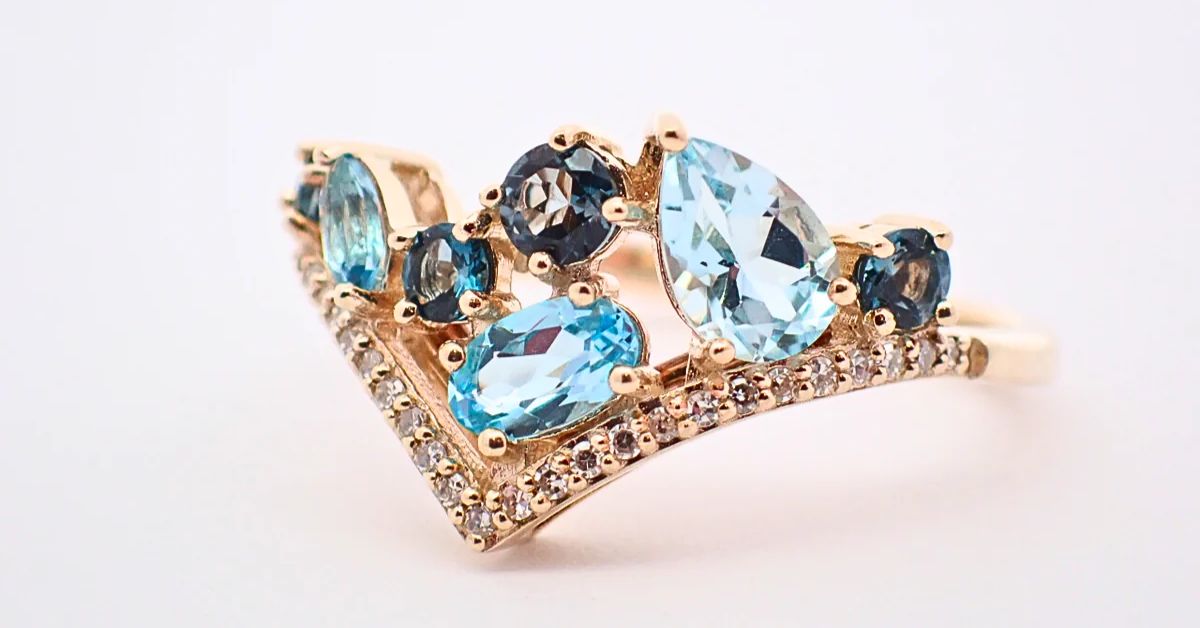
Gemstones include natural minerals and lab-grown crystals. They catch light, show off color, and add allure to jewelry. Their appeal comes from that mix of beauty and rarity, as no two stones look exactly the same, even within the same gem type. Jewelers evaluate the quality, rarity, and value of gemstones using the 4 Cs: color, clarity, cut, and carat weight.
Color
Color shapes a gemstone’s first impression, from the hue itself to how rich or vibrant it looks in different lighting. Check for a tone that feels lively instead of muddy, and look for even color distribution rather than obvious patches. If the color seems unusually intense for the stone's type, ask about treatments and how they affect care.
Clarity
Clarity refers to what’s happening inside the gemstone, including natural inclusions, tiny fractures, or cloudy areas. Some inclusions add character, yet heavy cloudiness or surface-reaching cracks can make a stone look dull and feel more fragile. View the gem from multiple angles, since clarity issues can hide until the light hits just right.
Cut
Cut influences brilliance and sparkle by controlling how light reflects through the stone. Look for symmetry, a centered appearance in the setting, and flashes of light that move as you tilt the piece. A poorly cut gem may look dark in the middle or “flat,” even if the color looks great.
Carat
Carat measures weight, not size, so two stones with the same carat weight can look different depending on shape and cut style. Bigger isn’t automatically better, since a smaller stone with strong color and a crisp cut can look more striking. Compare carat weight alongside the other Cs so you get a stone that looks beautiful and matches the price.

Ask About Treatments
You should also ask about treatments before buying estate jewelry. Many gemstones receive common treatments that improve color or clarity, and that information matters for value and care. Heat treatment, for example, is common in sapphires and rubies, while fracture filling occurs in some emeralds.
You should ask what treatments apply and how they affect cleaning, repairs, and long-term wear. Additionally, confirm whether any stones were replaced, since matching older cuts can get tricky.
Ask About Repairs
A repair doesn’t ruin an estate piece; in many cases, it protects it for everyday life. Still, you should know exactly what was done, when it happened, and whether the work matches the piece’s original style and quality.
These questions help you understand what you’re buying and what it may need next:
- What work has been done already?
- Which parts are original?
- Were any stones replaced?
- Does resizing affect patterns or engravings?
- What maintenance does the piece need next?
The best estate jewelry balances charm and solid craftsmanship. Confirm the metal, review the 4 Cs, and examine wear points like prongs, clasps, and thin spots before you get swept away by sparkle. After that, ask for transparency on treatments, authenticity claims, and repair history. If you want a smoother experience, shop with a jeweler who welcomes inspections and helps you choose a piece you’ll feel proud to own.