
What To Expect When Selling Your Used Watch
Years after purchase, your luxury timepiece continues to attract strong interest from collectors and jewelers alike. In this unique resale market, craftsmanship, brand reputation, and condition influence value. When selling your watch, a trained jeweler will examine it carefully to understand how it will perform in today’s pre-owned market. You can expect a structured appraisal that considers documentation, condition, and current buyer demand.
Preparing for the Appraisal
A light cleaning will make your watch look its best during the evaluation. Use a soft microfiber cloth to gently wipe the case, bracelet, and crystal to remove fingerprints, dust, and surface buildup. If the timepiece has a metal bracelet and is water-resistant, a slightly damp cloth can help lift dirt from small crevices. You can also have the timepiece professionally cleaned if you prefer to have a jeweler handle it safely.
Avoid harsh chemicals, abrasive cleaners, and rough cloths that could scratch the metal or crystal. It is also best to skip polishing, since polishing can remove small amounts of metal and may reduce the originality and collector value.
Should You Make Repairs?
Minor issues do not always need to be fixed before a jeweler evaluates your watch, since the buyer may prefer to assess it in its current condition. A professional can tell you whether a repair would support the resale value or simply add extra cost without much return. You should avoid amateur fixes because an at-home repair or replacement part may hurt the piece’s authenticity and lower buyer interest. A jeweler can review the piece as it is and explain whether professional service makes sense before you move forward.
Bring the Original Materials and Documents
When you bring in a timepiece for evaluation, it helps to include any original materials you still have. These items provide the jeweler with useful background info and make the review more efficient. Even if you do not have everything, bringing what remains from the original set can still add helpful context.
These materials support the watch evaluation:
- The original box and packaging.
- Warranty cards or certificates.
- Service records or repair receipts.
- Extra bracelet links or straps.
- Original purchase documentation.
Original Materials and Records Strengthen Presentation
Packaging, paperwork, and service history can help confirm that the piece matches its claimed model and has been properly maintained over time. These materials do not guarantee a certain offer, but they can strengthen the overall presentation of the watch. Complete records may also make the piece more appealing in the pre-owned market, especially for buyers who care about provenance and long-term care.

Initial Inspection Process
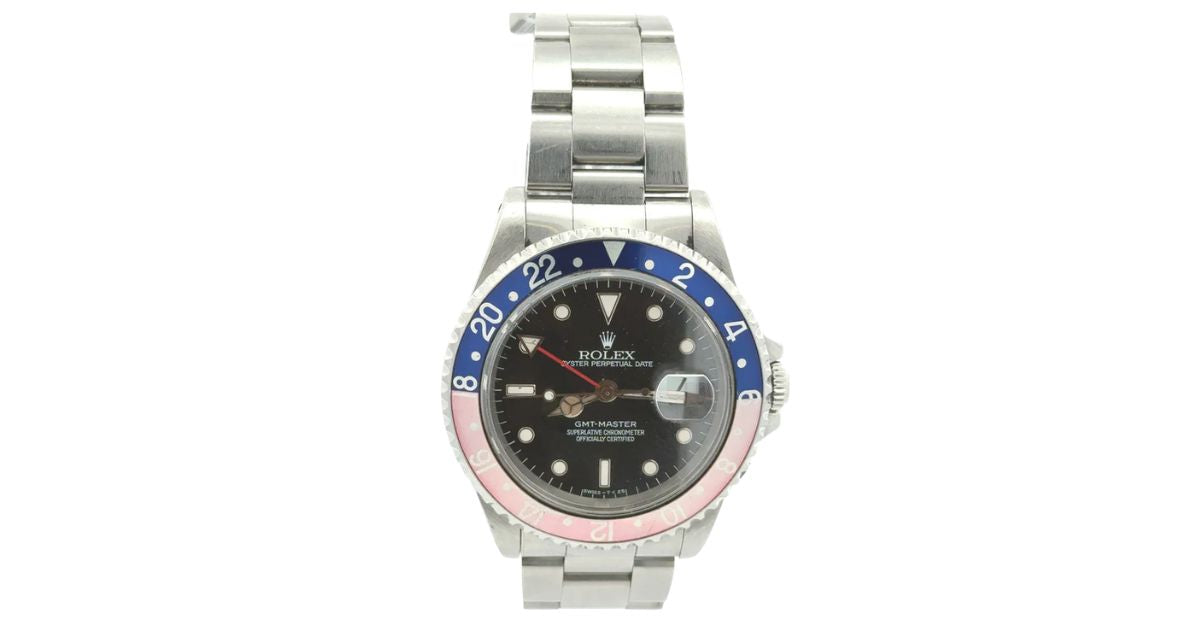
Once you present your watch, the jeweler begins with a visual inspection. This step focuses on the exterior condition, overall craftsmanship, and identifying features. The jeweler may examine the dial, bezel, bracelet, and case for wear or replacement parts.
Jewelers use specialized tools, including magnification devices and case-opening equipment, to inspect fine details. A careful inspection confirms authenticity and provides the foundation for determining value.
During inspection, the jeweler typically checks several key elements:
- Serial and model numbers.
- Movement functionality.
- Case and bracelet condition.
- Original components and replacements.
- Brand-specific design features.
Verifying Brand and Authenticity
Authenticity remains one of the most important factors in evaluating a luxury timepiece. Jewelers carefully verify the brand, model, and movement to ensure all components meet the manufacturer’s specifications. Engravings, case numbers, and movement markings provide helpful clues.
Trusted jewelers rely on training and industry knowledge to identify authentic timepieces. Experienced professionals study how specific brands construct their watches, which enables them to recognize genuine craftsmanship and inconsistencies.
Determining Value
When you sell your used watch, you can expect the jeweler to determine its value through a close inspection and a review of how similar pieces are performing in the resale market. They look at the watch’s appearance and how that affects its appeal in the pre-owned market. This process helps them judge what a buyer is likely to value in the piece today.
That evaluation depends on specialized knowledge built through experience with luxury pieces and resale trends. A watch jeweler knows how different brands hold value, how original details affect buyer interest, and how condition shapes marketability. That expertise gives sellers a clearer picture of the resale potential.
Condition and Performance
Scratches on the crystal, dents on the case, or stretched bracelets may reduce resale interest. On the other hand, a well-maintained piece demonstrates careful ownership.
Mechanical performance matters as well. A watch that runs accurately and maintains proper power reserve presents fewer concerns during resale. Proper servicing also reflects positively on the piece’s history.
Original Parts and Wear
Many collectors prefer watches with factory parts rather than aftermarket replacements. Maintaining original hands, dials, and bracelets preserves authenticity.
Wear patterns also reveal how a watch has been used. Minor wear reflects normal ownership, while heavy damage suggests extensive use or neglect.

Market Demand for Watches
The resale value of timepieces changes with market trends. Certain brands attract strong demand due to craftsmanship, heritage, or limited production. When demand rises, resale offers may reflect that interest.
On a related note, style trends also influence watch values. Sports models, vintage designs, or iconic brand collections sometimes attract renewed attention. Jewelers track these trends closely while evaluating pre-owned watches.
Demand for Specific Brands
Well-known manufacturers build strong followings among collectors and enthusiasts. As a result, some models retain value more consistently than others. Collectors also pay attention to rarity and historical significance. Limited releases or discontinued models sometimes attract higher interest.
Completing the Sale
Following the appraisal, the jeweler should explain how they arrived at the watch’s value and what shaped the offer they are making. That conversation gives you a clearer sense of whether the price reflects the current resale market and the piece’s overall appeal. If the jeweler buys and sells pre-owned watches, you can decide whether to move forward with the sale.
Before you agree to the sale, ask about the transaction details. You will want to know whether any fees or commissions apply and whether payment is made by check, cash, or another method. A comfortable transaction depends on communication and trust.
A smooth selling experience starts with a little preparation before the appraisal. Cleaning the piece and gathering any boxes, papers, or service records presents the watch more clearly during evaluation. From there, a skilled jeweler considers both the timepiece itself and current resale demand to determine how it may perform in the market. Choose a reputable jeweler who explains the process clearly so you can make an informed decision.